
To Case Studies
08/03/2025
Visual Expression Connecting Reality and Virtual
Mr. Tatsumi Mark Tsukamoto, Saga University
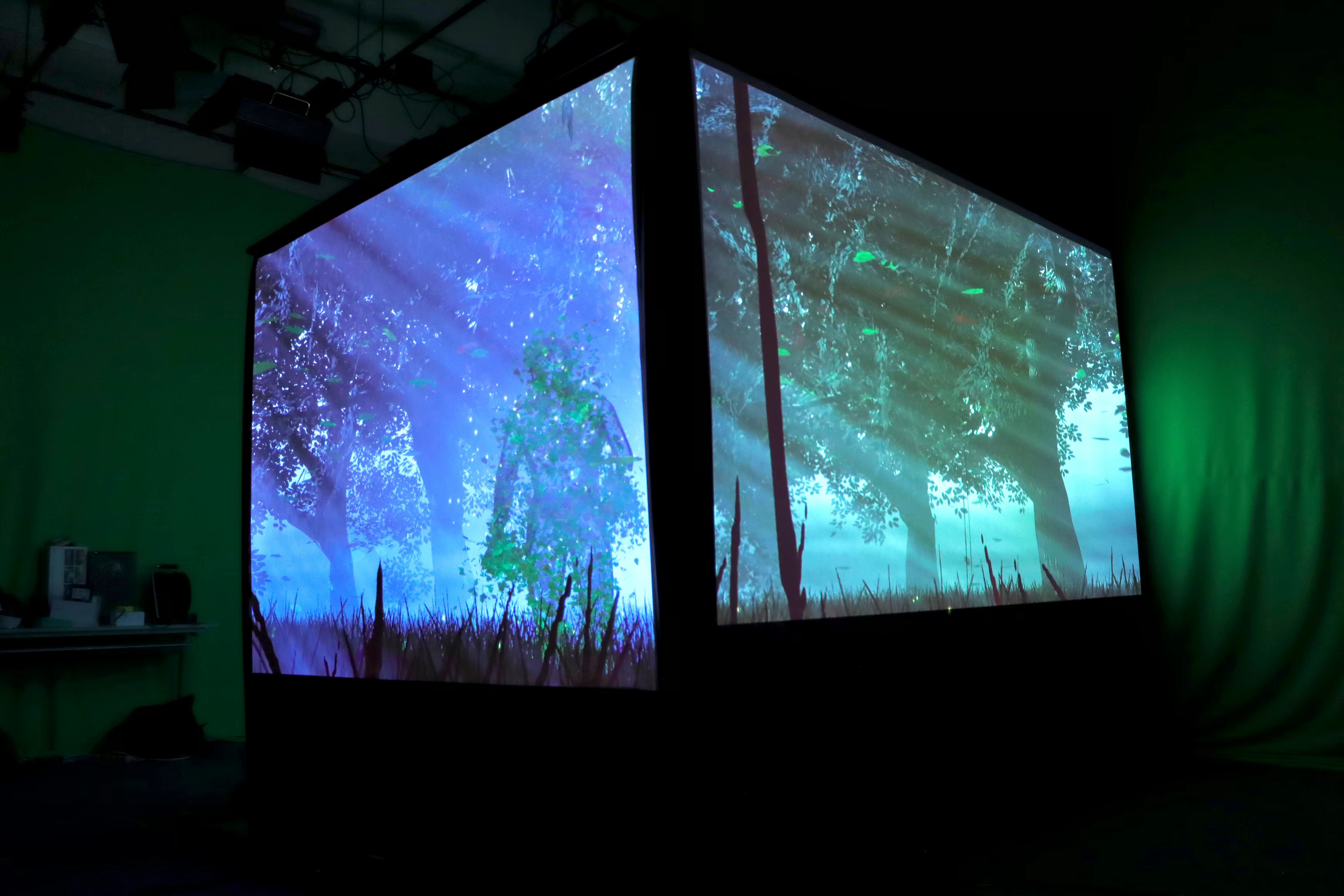
Portalgraph was adopted in two art works focused on exploring the boundary between virtual space and physical space.
Challenges
They were exploring how to connect the appeal of the virtual world with expression in the real space.
Solution
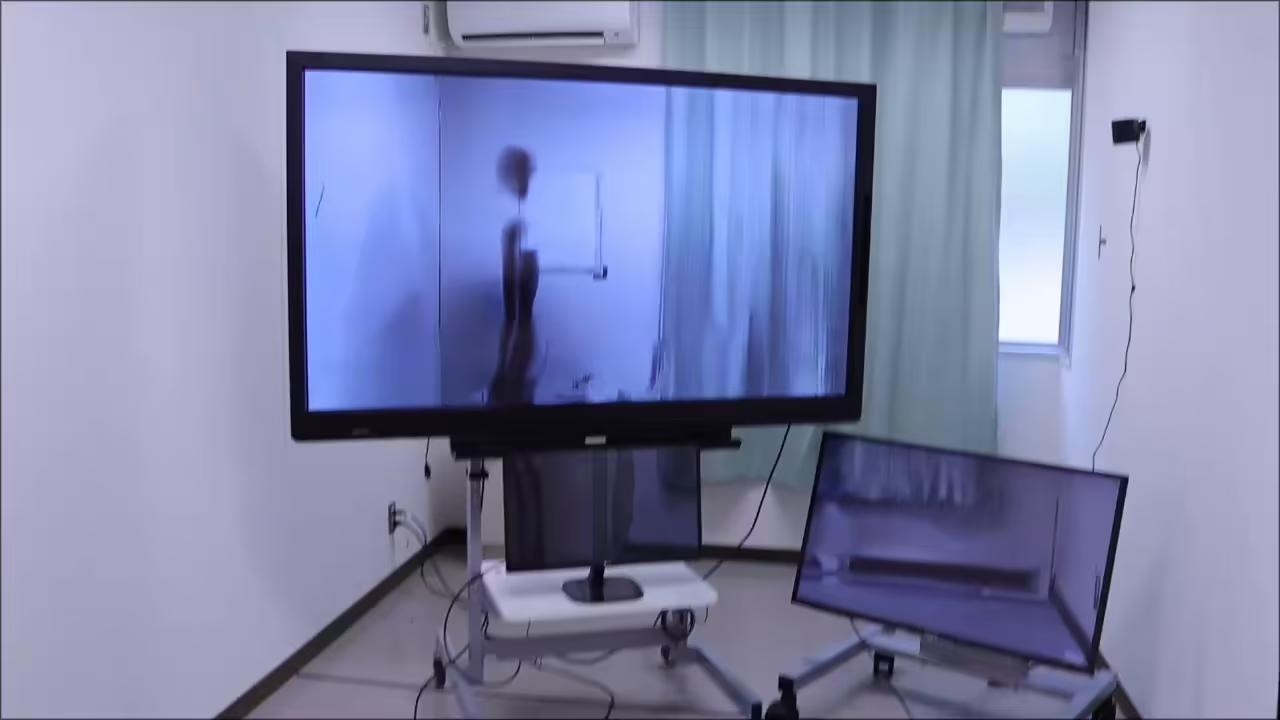
Portalgraph was used in two works that could express virtual space within real space. With the theme of visualizing two overlapping dimensions—virtual and physical—the works drew inspiration from 'Quantum Superposition' in quantum mechanics. Two works were produced and exhibited: 'Presence,' in which four monitors were placed in a room to project a virtual space indistinguishable from reality, allowing the presence of someone other than the viewer to drift within it; and 'Eugene,' in which the artist himself entered a box-shaped installation of three projector screens while wearing motion trackers, with the captured motion data projected by the projectors so that the real artist and a virtual silhouette overlapped. In 'Presence,' through the structure of a virtual space indistinguishable from reality inhabited by the presence of someone other than the viewer, the work presented as an experience 'the uncertainty of existence and the determination of reality through observation.' In 'Eugene,' through the structure in which the movements of the artist inside the box and the virtual silhouette overlapped from the perspective of the observer, the work expressed 'the duality of observational relationships and their discrepancies.'
Results
Mr. Tsukamoto, the creator of the two works, commented: 'Thanks to Portalgraph, it was extremely interesting, and many people were able to see the works I wanted to present with the theme of the overlap between reality and virtuality.'